
Cheq Yourself
Free land-records webinar

Free educational webinar

Crown Grants, Aboriginal Title & the Land File Every Owner Should Build

Concerned about Aboriginal title, government decisions, or what your property records actually say?

Join a presentation about Crown grants, land records, and steps you can take to become better informed. We will also explore a thought experiment: could voluntary agreements with willing First Nations offer another way to clarify the relationship between overlapping land interests?

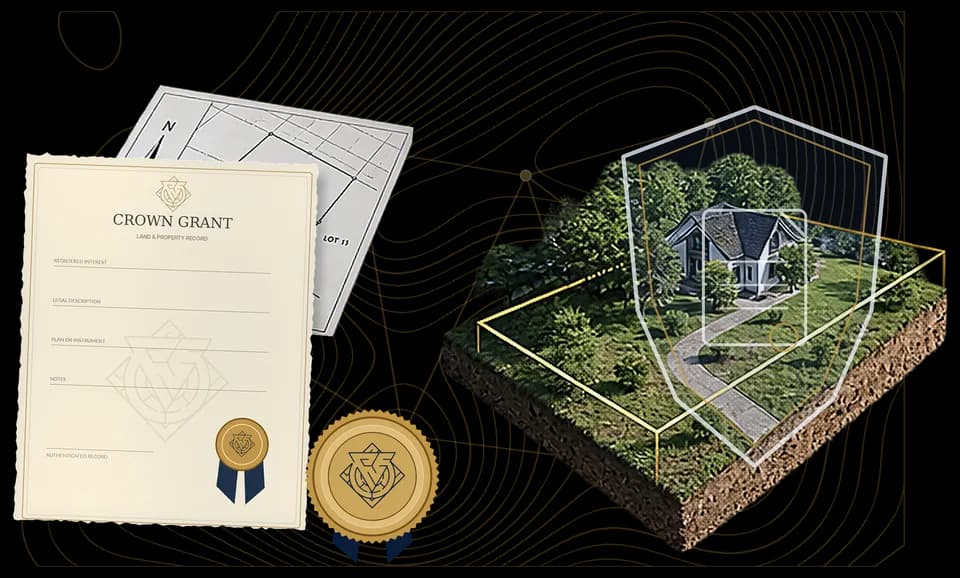
Crown grant and survey records beside a mapped residential parcel
Records first: grant, survey, parcel, and correspondence.

Learn how to locate the records behind a parcel, read survey and legal-description evidence, and organize a careful land file before deciding what to do next.

Reserve your place

Register for the webinar

If the embedded form does not load, open the secure WebinarJam registration page.

Registration is hosted by WebinarJam. Reminders and follow-up are sent to the email address you provide when registering.

Hosted WebinarJam registrationParticipant resources after attendanceGeneral information only

Course overview

What the webinar covers

Follow the evidence from foundational records to a structured file while keeping professional and legal boundaries clear.

Cheq Yourself circle mark

Find the foundational records

Locate Crown grants, title instruments, historical files, survey plans, and related records—and understand where each fits in the research trail. Analyze your Crown Grant and find out whether the 60-year rule affects local bylaws on your parcel


Cheq Yourself square mark

Examine how Aboriginal Title affects you

Examine the questions raised by the Cowichan litigation without assuming that a headline determines your property’s position. Separate what a decision addresses, what remains disputed, and what would need to be investigated for a particular parcel.

Cheq Yourself triangle mark

Voluntary agreements and Parallel-system ideas

A Thought Experiment: Explore proposed covenants, quitclaim agreements, and an Indigenous Land Patent concept. Consider the roles of voluntary participation, collective authorization, and a separate record alongside existing fee-simple title.

The webinar explains research, communication, and document-organization methods. It also asks you to consider if Aboriginal Title is a Problem or an Opportunity that could lead to a new direction for Canada.

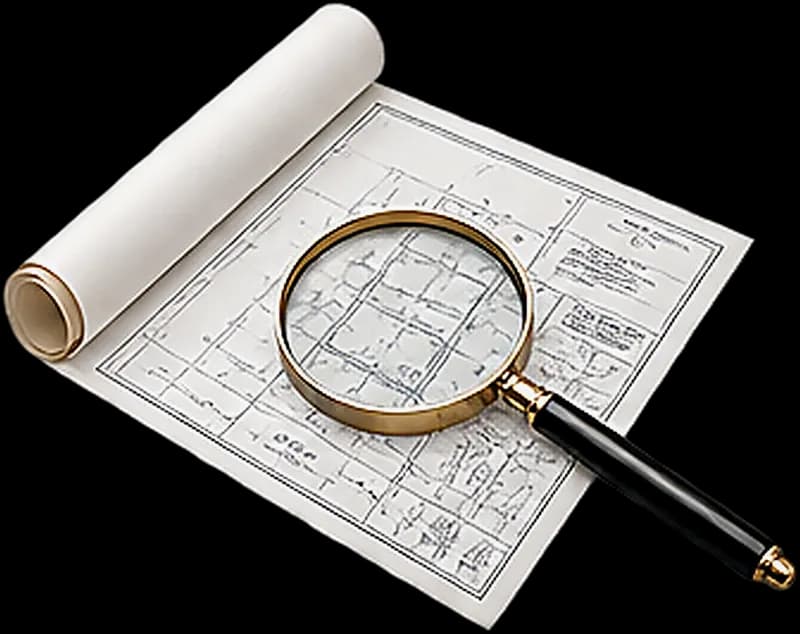
Survey plan and parcel map examined with a magnifying glass

Evidence into order

From source records to an organized land file

See how to compare Crown grant, title, survey, and historical records; identify open questions; prepare a structured request for clarification or notice; and preserve responses in one traceable file.

  • Finding Crown grants and the records connected to them
  • Reviewing survey plans, boundaries, and legal descriptions
  • Understanding how metes-and-bounds descriptions are assembled
  • Preparing respectful notices to government and First Nations
  • Orienting your Crown Grant in relation to changing bylaws
  • Building a practical documentation package to prepare yourself for any scenario

Exploratory Proposal

Could respectful agreement be part of the answer?

What could a willing property owner and an appropriately authorized First Nation choose to discuss directly?

This webinar explores two proposed approaches:

A Covenant and Quitclaim Deed

A proposed agreement recording specified recognition, releases, and commitments not to assert inconsistent claims—subject to the authority and legal limits that apply.

An Indigenous Land Patent

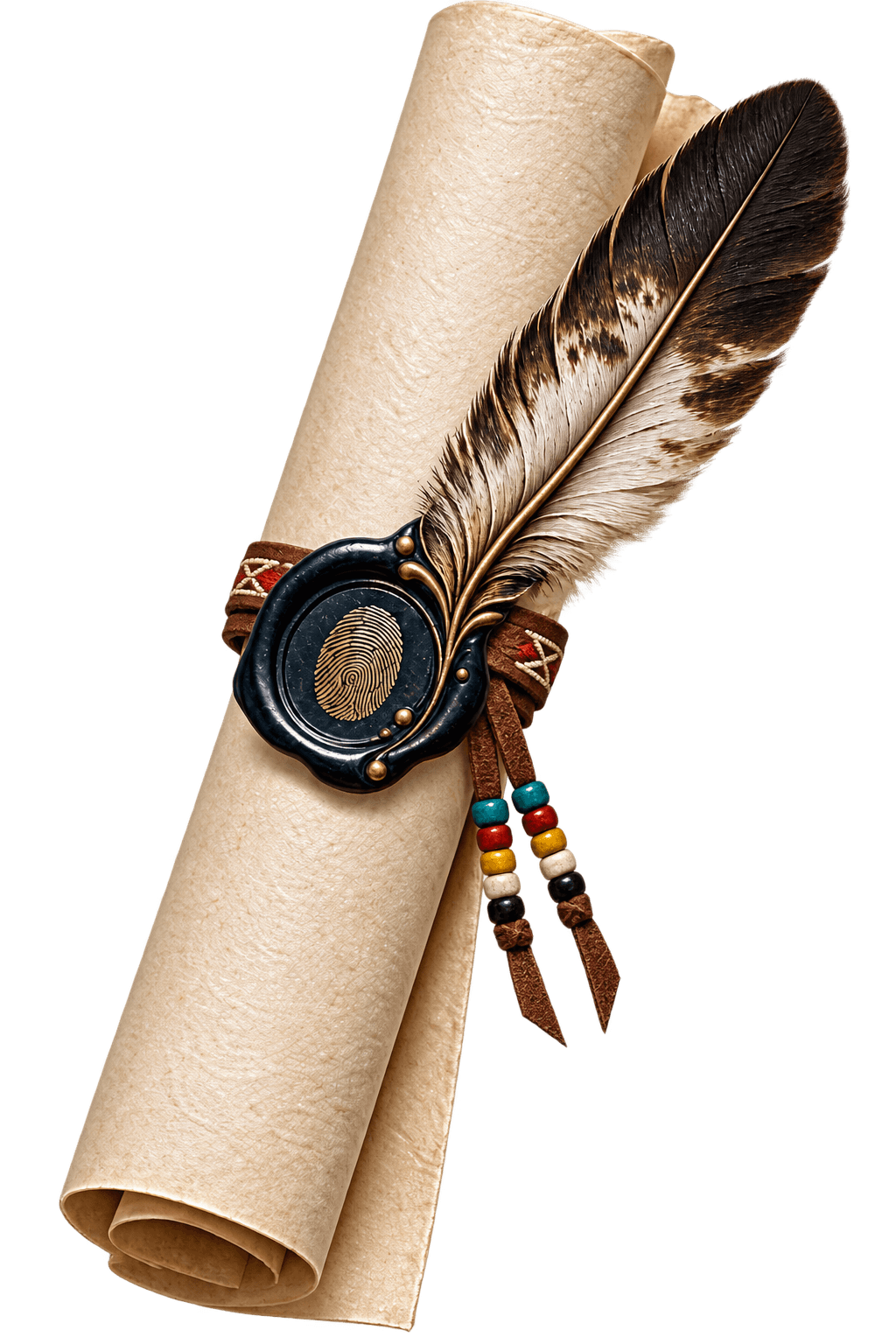
A thought experiment in which a First Nation, acting through its own collective decision-making process, issues a parcel-specific instrument under its own law, potentially recorded in a parallel registry alongside existing fee-simple title.

The question we will examine

Could a First Nation’s own land instrument and a parallel registry support a clearer relationship with existing private ownership?

We will discuss the intended effects, the unresolved questions, and the difference between documenting an agreement and establishing its legal enforceability.

Illustration of a parchment scroll with a feather, beaded ties, and a decorative seal

Participation would be voluntary. No First Nation’s support, consent, or endorsement is implied. A signature or registry entry alone is not a guarantee of title protection.

Participant path

Attend first, then access the participant resources

The Indigenous proposal-letter and knowledge toolkit resource and service options are provided through the post-webinar participant path. They are not available from this public registration page.

Start with the records. Understand the questions. Explore what a respectful, voluntary next step could look like.

Join the free webinar and move from unanswered questions to a more informed starting point.

Open WebinarJam registration

FAQ

Does this webinar mean my property is at immediate risk?

No. This page does not assess any individual property or predict the outcome of a claim. The webinar is an invitation to understand the records and questions that may be relevant to you—not a warning that you are about to lose your home.

What does “protecting my property interests” mean here?

It means becoming better informed, organizing relevant records, identifying unanswered questions, and understanding when to obtain qualified advice. It does not mean the webinar or a document guarantees your title, property value, financing, or exemption from public laws.

Is the Indigenous Land Patent an established private-title solution?

No. It is an exploratory proposal for discussion. The webinar distinguishes its intended First Nation-law effect from whatever independently valid effects Canadian law may recognize. It does not promise that a First Nation, court, land registry, lender, or insurer will accept it.

Will we discuss the Crown grant and the 60-year argument?

Yes—as a topic requiring careful examination. The Ontario Landowners Association advances an interpretation involving a 60-year limitation and Crown-granted land. It will be identified as that organization’s interpretation, not presented as a settled rule that every reservation or later regulation expires after 60 years. Any potential application requires property-specific historical and legal research.

Do I need a complete property file before attending?

No. The webinar introduces the records and questions to investigate. It is a starting point, not a substitute for an individual legal opinion.